With GCSE mock results now back and the spring term underway, many parents and students are asking the same question:
“What should revision look like from this point through to the final exams?”
For Year 11 students, February to May is not just “revision time”. It’s the most decisive phase of the entire GCSE journey — where the right approach can still make a meaningful difference to final grades.
Why February–May Is Not One Long Revision Period
One of the biggest misconceptions is that revision from now until exams is one continuous process.
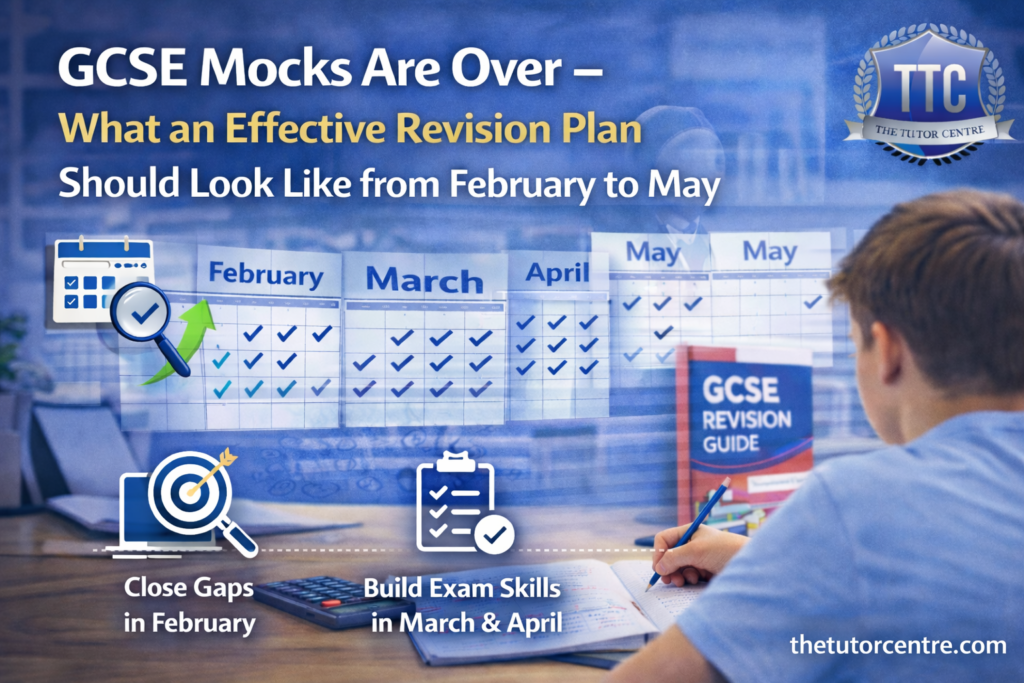
In reality, successful GCSE preparation from February onwards happens in clear stages, each with a different purpose.
February: Consolidation & Closing Gaps
By February, mock results should be actively informing revision.
This is the month where students should:
- Identify specific gaps highlighted by mocks
- Revisit core topics that underpin multiple exam questions
- Strengthen understanding before pressure increases later
This stage is often underestimated — yet it’s where the largest improvements can still be made.
March to Early April: Targeted Exam Practice
Once foundations are secure, revision should shift away from passive learning.
Effective revision at this stage includes:
- Exam-style questions
- Timed practice under realistic conditions
- Careful review of mark schemes
- Improving exam technique and structure
Many students revise hard at this point — but without feedback, progress can stall.
Late April to May: Refinement & Confidence Building
As final exams approach, the focus changes again.
Revision should now centre on:
- Accuracy and consistency
- Reducing avoidable mistakes
- Timing and exam strategy
- Maintaining confidence and calm
At this stage, introducing too much new content can increase anxiety rather than improve outcomes.
What an Effective Weekly Revision Plan Looks Like
From February onwards, successful students tend to follow structured, realistic weekly plans.
A strong plan usually includes:
- A balance of Maths, English, and Science
- Short, focused revision sessions
- Regular exam-question practice
- Feedback on mistakes
- Planned review of weaker topics
What it avoids:
- Endless note rewriting
- Revising without checking answers
- Last-minute cramming
Why Many Students Struggle to Stick to a Plan
Even capable and motivated students often struggle because:
- They’re unsure what to prioritise
- They revise topics they already feel confident in
- There’s little accountability
- Feedback is limited or delayed
As school lessons accelerate during the spring term, these issues can quickly compound.
How Structured Support Helps During the GCSE Run-Up
This is why many families choose structured GCSE support at The Tutor Centre Derby where effective tutoring offers:
- Clear weekly focus
- Expert explanation of difficult topics
- Guided exam practice
- Immediate feedback
- Consistency and routine during a demanding term
Most importantly, it provides clarity — students know what to work on and why.
It’s About Direction, Not Pressure
Effective GCSE preparation from February to May isn’t about doing more hours — it’s about doing the right work at the right time. When students have:
- A clear plan
- Regular guidance
- Realistic expectations
They approach exams with far greater confidence and control.
A Final Note for Parents
If revision at home feels unstructured or stressful, it’s often a sign that guidance — not effort — is missing. Mocks have already highlighted where attention is needed. The months ahead are about responding strategically.