After GCSE mock results are returned, something interesting happens.
Two students can start from similar positions — yet by the time final exams arrive, their outcomes look very different. Some make strong progress, while others stay roughly where they were.
The difference is rarely ability. It usually comes down to what happens next.
Mocks are diagnostic. They reveal topic gaps, weaknesses in exam technique, and how students cope under pressure. But mock results alone don’t improve grades — progress depends entirely on how students respond.
Students who improve tend to act early on weaknesses, follow a structured revision plan, practise exam questions regularly, receive feedback, and stay consistent week by week. Those who don’t often revise without direction, focus on familiar topics, avoid exam-style questions, and lose motivation after disappointing results. This is usually the point where families start wondering whether extra support might help bring clarity and structure.
The Biggest Difference: Structure and Accountability
One of the clearest patterns we see is that students who improve have external structure. They know what they’re revising each week, why they’re revising it, and whether they’re actually making progress.
This doesn’t happen by accident. It comes from clear weekly targets, guided exam practice, someone checking understanding, and regular feedback. Without this, even hardworking students can drift — especially during the busy spring term. Many parents tell us this is when revision at home starts to feel uncertain, which is often a sign that students would benefit from more guided support.
Why Motivation Alone Isn’t Enough
We often hear parents say, “My child wants to do well — they just struggle to stay organised.” This is extremely common.
Motivation matters, but GCSE success relies far more on routine, prioritisation, correcting mistakes, and consistency over time. Students rarely build this system on their own, particularly while juggling schoolwork and exam pressure. This is why structured weekly support can be so effective: it removes guesswork and replaces it with a clear plan.
The Role of Exam Technique
Another major divider between students who improve and those who don’t is exam technique.
Mocks frequently show that students misread questions, struggle to structure answers, lose marks unnecessarily, or run out of time. These aren’t knowledge problems — they’re skills problems. And skills only improve through regular exam practice with feedback.
When students receive guided support in this area, confidence often rises quickly because they begin to understand how to approach questions, not just what to revise.
Why Early Action Matters
By the time Easter arrives, schools are moving quickly and teachers have limited capacity to revisit fundamentals.
Students who act soon after mocks have time to close gaps properly, strengthen foundations, and build confidence gradually. Those who wait often feel rushed later. This is why many families choose to put structured support in place earlier rather than leaving everything to the final weeks.
How Structured GCSE Support Helps
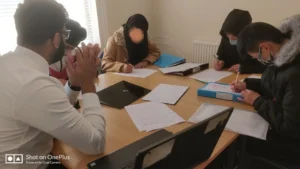
Small-group GCSE support provides clear weekly focus, expert explanation of difficult topics, guided exam practice, immediate feedback, and accountability. Most importantly, students gain direction — they stop guessing what to revise.
At The Tutor Centre, this structured approach helps students stay on track during the most demanding part of Year 11, while parents gain reassurance that progress is being monitored week by week.
It’s Not About Pressure — It’s About Clarity
The students who improve after mocks aren’t necessarily the brightest. They’re the ones who know what they’re working on, have support when they’re stuck, follow a plan, and keep going even when confidence dips.
That clarity makes all the difference.
A Final Thought for Parents
If your child hasn’t responded well to mock results, it doesn’t mean they can’t succeed. Mocks simply highlight where support is needed.
What matters now is providing the structure and guidance that allows improvement to happen.
If you’re unsure whether extra support would help your child, a short conversation with the Tutor Centre team can often bring clarity — and help you decide the best next steps with confidence.